Eva
Anonymous user
I don’t have to explain everything over and over because Bobbai helps clarify what I mean during the conversation.
Your personality, your conversation, your Bobbai
Bobbai helps people with aphasia and NAH to make conversations smoother, more personal, and less tiring. The app listens, thinks along, and supports exactly where someone benefits the most.

With the help of Bobbai’s smart AI, I have smoother and more enjoyable conversations again.
Anonymous user
I don’t have to explain everything over and over because Bobbai helps clarify what I mean during the conversation.
It helps when a suitable suggestion is already ready. Then responding takes much less time and energy.
We weren’t looking for a standard solution but something that really works at home, on the go, and in therapy.

Speech Therapist · UMC Utrecht - ALS Center

Because AI is the foundation of Bobbai, people can smoothly participate in conversations again without spending a lot of time typing long sentences.
Speech Therapist · UMC Utrecht - ALS Center
After aphasia or other acquired brain injuries, communication often changes from person to person and even from moment to moment. Some mainly need help finding words, others with starting conversations, following along, speaking out, or handling stimuli.
Bobbai was developed to provide customized support. Not as a standard tool that works the same for everyone, but as personal assistance that adapts to someone's style, pace, and daily situations. Simply on a familiar phone or tablet.
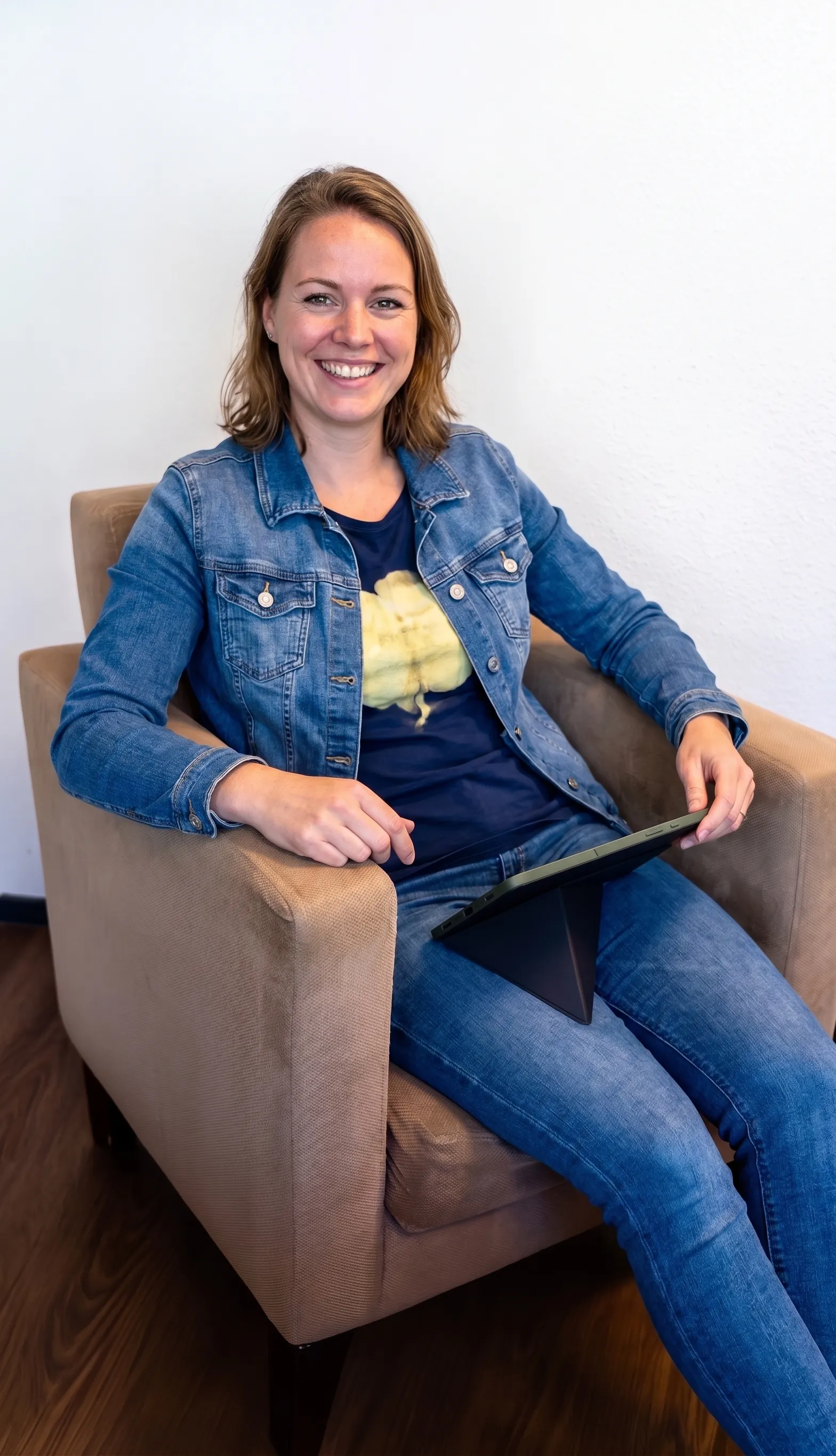
Bobbai listens along with the conversation and understands you and the context. Based on that, the AI quickly offers personal suggestions that fit your way of communicating.
Bobbai can listen along and read along with what is being said. This keeps the context clearer and makes it easier to follow and join the conversation.
The app thinks along and offers suggestions that fit the conversation, your preferences, and your way of responding. This helps with finding words, pacing, and taking initiative.
What you want to say can be spoken aloud by Bobbai. This makes responding less demanding and keeps communication possible in a way that feels understandable and personal.
Together with the user, loved ones, and where appropriate the speech therapist, we look at what support makes sense. This could include practicing conversations at home, in a store, during appointments, or other moments that are challenging in daily life.
Lifechaingers trains speech therapists and collaborates with professionals who learn to use Bobbai for aphasia and NAH. This means the user doesn’t have to figure it out alone, and the support can better align with therapy, rehabilitation, and home situations.
That support doesn’t always have to stay the same. If rehabilitation is effective or skills return, Bobbai can provide less support and adapt to what the person needs at that moment.
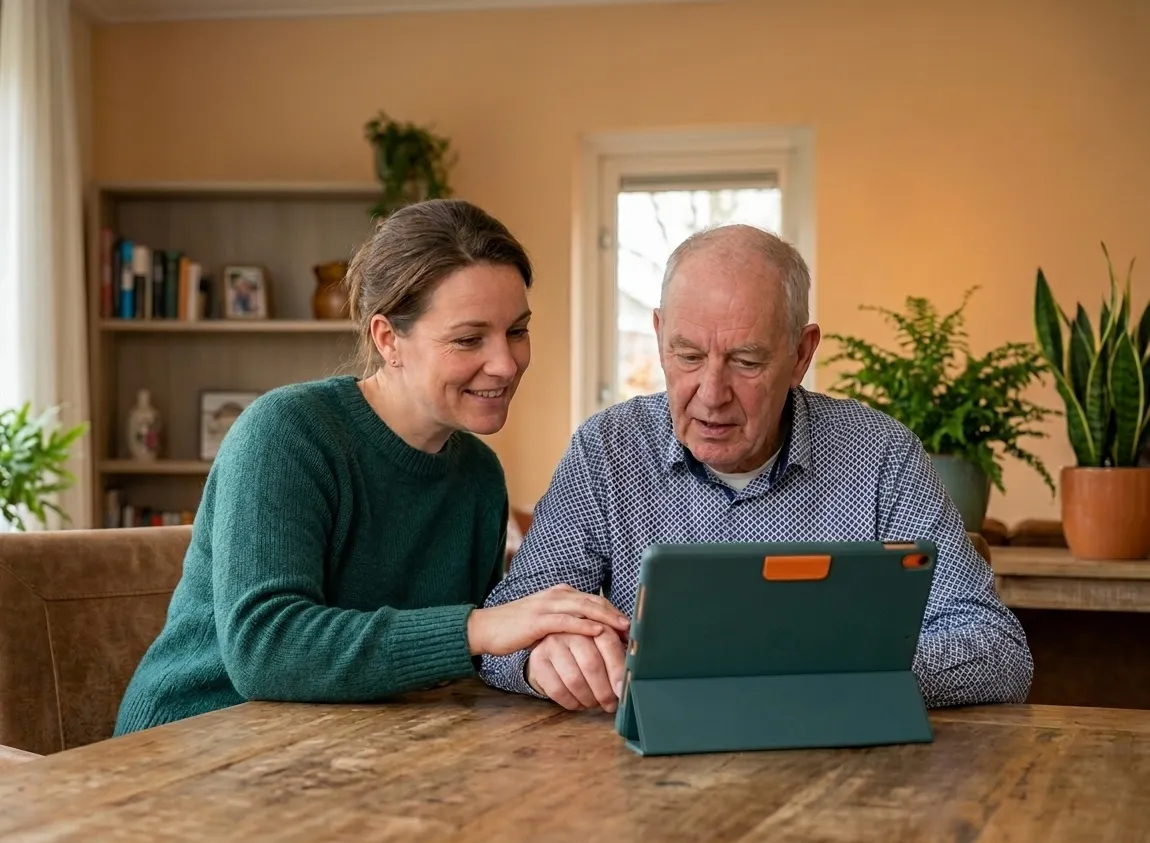
Support that listens and thinks along in the context of the conversation
More guidance with finding words, responding, and starting conversations
Low-stimulation and adjustable where needed
Usable on a familiar phone or tablet
Set up together with loved ones and caregivers
Support that can be scaled up or down as the situation changes or skills return
Would you like to see how Bobbai works in practice first? Join a webinar or a drop-in morning session. There, we will demonstrate Bobbai, provide explanations, and offer time to ask questions about aphasia, NAH, home use, and collaborating with speech therapy or rehabilitation.
Costs depend on the process and the customization needed. Think of the desired guidance, setup, training, coordination with caregivers, and any additional requests regarding controls or speech (with your own voice). That’s why we don’t offer a standard package for everyone. We prefer to make a concrete estimate based on the person, their needs, and the context in which Bobbai will be used.
Lifechaingers is working hard to broaden reimbursement for Bobbai, but currently Bobbai is not yet routinely covered by health insurance. People usually pay part privately, through a personal budget or injury insurance. Some care or rehabilitation centers also offer Bobbai because its added value is already significant. We work closely with leading experts and speech therapists. The costs for that support are usually fully reimbursed.
Would you like to discuss personally whether Bobbai fits aphasia or NAH? Leave your details.
Curious about a demo with time for questions? Then we first recommend our webinar!